Hobo Hotel Oslo Brings Industrial-Chic Design to Norway's Capital
The 184-room Hobo Hotel Oslo introduces a fresh hospitality concept to Scandinavia's hotel scene with its distinctive urban aesthetic and prime Norwegian capital location.
A New Player in Oslo's Hotel Landscape
Oslo's hospitality scene welcomes a distinctive addition with the opening of Hobo Hotel Oslo, a 184-room property that marks the Hobo Hotels brand's expansion into Scandinavian markets. The hotel introduces an urban-industrial aesthetic to Norway's capital, positioning itself as an alternative to the city's traditional luxury and boutique offerings.
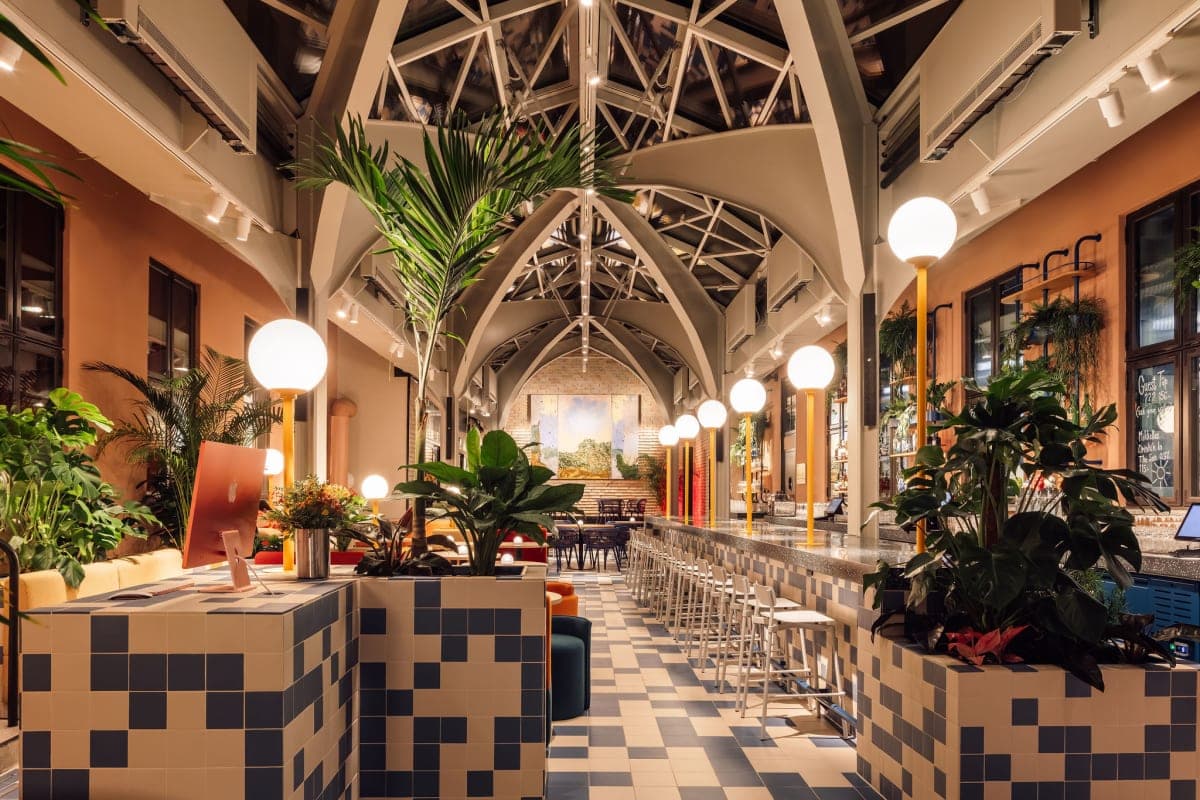
The property's design philosophy centers on raw materials and exposed architectural elements, creating spaces that feel authentically urban rather than polished. Concrete surfaces, steel fixtures, and weathered wood accents define the interior palette, while floor-to-ceiling windows maximize natural light—a precious commodity during Oslo's darker winter months.
Room Configuration and Amenities
The hotel's 184 accommodations span multiple categories, from compact urban rooms designed for solo travelers to larger spaces suitable for extended stays. Each room features minimalist Scandinavian furniture paired with industrial touches like metal bed frames and exposed piping. Bathrooms incorporate concrete vanities and rain showers, maintaining the property's raw aesthetic while providing modern functionality.
Guest rooms include adjustable LED lighting systems, USB charging stations integrated into custom-designed nightstands, and blackout curtains—essential for Oslo's summer white nights. Climate control systems operate quietly, addressing the Scandinavian emphasis on environmental consciousness and guest comfort.
Location and Accessibility
Hobo Hotel Oslo occupies a strategic position within the Norwegian capital, providing guests access to the city's cultural districts and business centers. The location connects to Oslo's efficient public transportation network, including tram and bus routes that serve the airport and major attractions like the Viking Ship Museum and Munch Museum.
The surrounding neighborhood offers a mix of established restaurants, emerging cafes, and retail establishments that reflect Oslo's evolving urban character. Walking distances to key destinations remain reasonable, with the Royal Palace and Aker Brygge waterfront both accessible within 15 minutes on foot.
Dining and Social Spaces
The hotel's ground-floor restaurant emphasizes Nordic ingredients prepared with international techniques, reflecting Oslo's increasingly cosmopolitan dining scene. The menu changes seasonally, incorporating foraged elements and locally sourced proteins that align with Norwegian culinary traditions.
Common areas include a lobby lounge with modular seating arrangements and a co-working space equipped with high-speed internet and charging stations. These spaces cater to both business travelers and digital nomads, demographics that represent growing segments of Oslo's visitor base.
Brand Positioning and Market Impact
Hobo Hotels' entry into the Oslo market introduces a mid-market alternative that bridges the gap between budget accommodations and premium properties. The brand's focus on authentic urban environments and unpretentious luxury resonates with travelers seeking character-driven experiences over traditional hotel amenities.
The timing of the opening coincides with Oslo's recovery in international tourism and the city's continued development as a Scandinavian business hub. The hotel's 184-room inventory adds significant capacity to the market while offering a distinctly different experience from established international chains.
Hobo Hotel Oslo represents both the brand's European expansion ambitions and the Norwegian capital's evolution as a destination that values design innovation alongside traditional Nordic hospitality principles. The property establishes a new benchmark for industrial-chic accommodations in one of Europe's most design-conscious cities.