Behind Bars in Luxury: HOSHINOYA Nara Prison Transforms Japan's Historic Detention Center
The Former Nara Prison, a National Important Cultural Property from 1908, has been meticulously transformed into HOSHINOYA Nara Prison, where guests sleep in reimagined cells within preserved Meiji-era architecture.
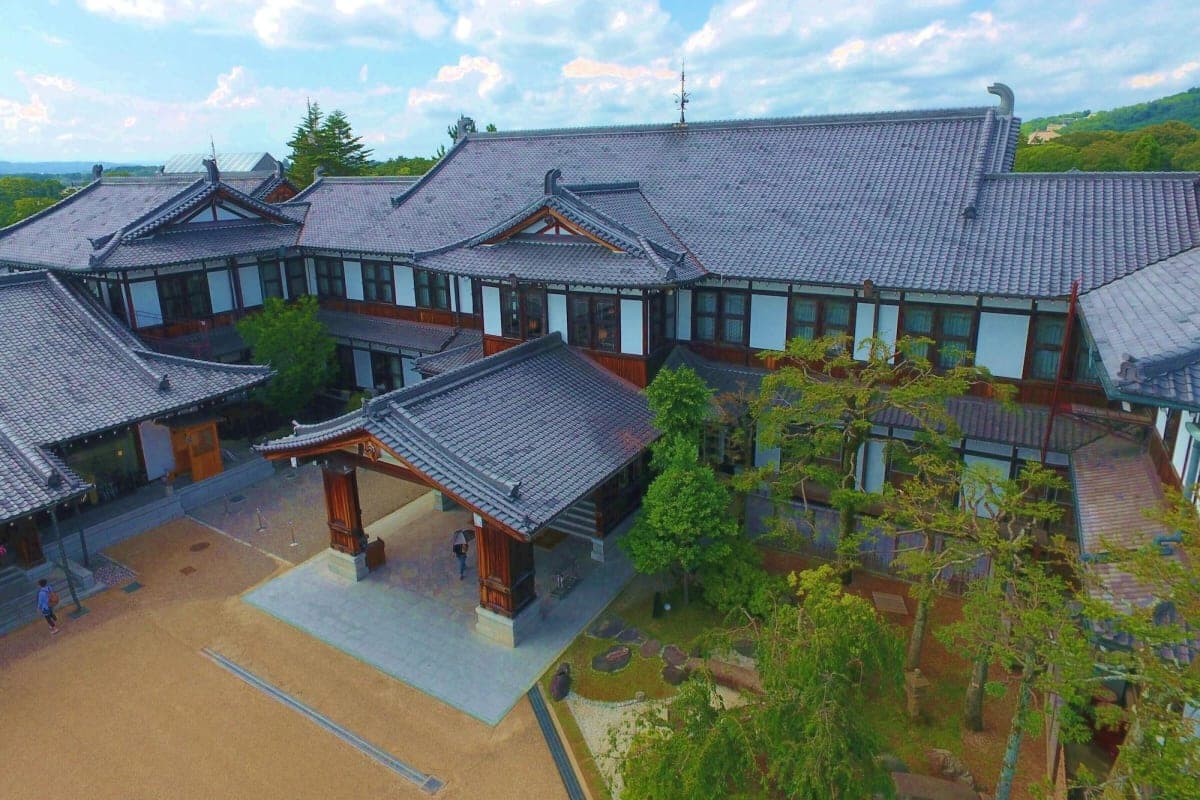
A Century-Old Prison Becomes Japan's Most Unusual Luxury Hotel
The crimson brick walls and iron-barred windows of the Former Nara Prison have witnessed over a century of Japanese history. Built in 1908 during the Meiji era, this imposing structure served as a functioning detention center until its closure. Now, as HOSHINOYA Nara Prison, it offers travelers an unprecedented opportunity to experience luxury hospitality within the preserved confines of a National Important Cultural Property.
Preserving Architectural Heritage Through Careful Restoration
The transformation of this historic prison required extraordinary attention to detail. The original radial design, characteristic of Western-influenced prison architecture of the early 20th century, remains intact. Five cell blocks extend from a central surveillance point, creating the distinctive star pattern that defined the building's operational efficiency during its active years.
Preservation efforts focused on maintaining the structure's authentic elements while introducing modern amenities. The original brick facades, constructed with techniques imported from Europe, show careful restoration work that honors the building's architectural significance. Iron cell doors, though modified for guest comfort, retain their historical appearance and mechanical operations.
From Confinement to Comfort: Reimagined Interior Spaces
Guest accommodations occupy the former cells, transformed through thoughtful design that balances historical authenticity with contemporary luxury standards. Each room preserves the original dimensions and proportions of the cells while incorporating modern furnishings and amenities. The contrast between the austere architectural framework and refined interior appointments creates a unique spatial experience.
Common areas utilize the prison's former administrative spaces, including the guard stations and communal areas. These spaces now serve as lounges and dining areas, where guests can appreciate the building's institutional architecture from a different perspective. The central surveillance tower, once used for monitoring prisoners, has been converted into a dramatic focal point for the hotel's public spaces.
Cultural Context and Historical Significance
The Former Nara Prison represents an important period in Japanese modernization, when Western architectural concepts were adapted for local use. Its designation as a National Important Cultural Property reflects its role in documenting Japan's evolving approach to criminal justice and institutional design during the Meiji restoration.
Nara itself provides an appropriate setting for this historical preservation project. As Japan's first permanent capital and home to numerous UNESCO World Heritage sites, the city has long balanced preservation with adaptation. The prison hotel continues this tradition, demonstrating how historic structures can find new purposes while maintaining their cultural significance.
The HOSHINOYA Approach to Heritage Hospitality
HOSHINOYA's reputation for creating distinctive luxury experiences in culturally significant settings makes them well-suited for this challenging project. Their approach emphasizes respect for local history and traditions while providing exceptional guest experiences. The Nara Prison property represents their most ambitious heritage preservation project to date.
The hotel's design philosophy centers on allowing guests to understand and appreciate the building's original purpose while experiencing contemporary hospitality. This balance requires careful attention to both historical accuracy and guest comfort, resulting in accommodations that educate as well as shelter.
Visitors to HOSHINOYA Nara Prison encounter more than unusual accommodations; they experience a preserved piece of Japanese institutional history, transformed into a space for reflection and luxury within walls that once confined.